How an air purifier can help with allergies and hay fever
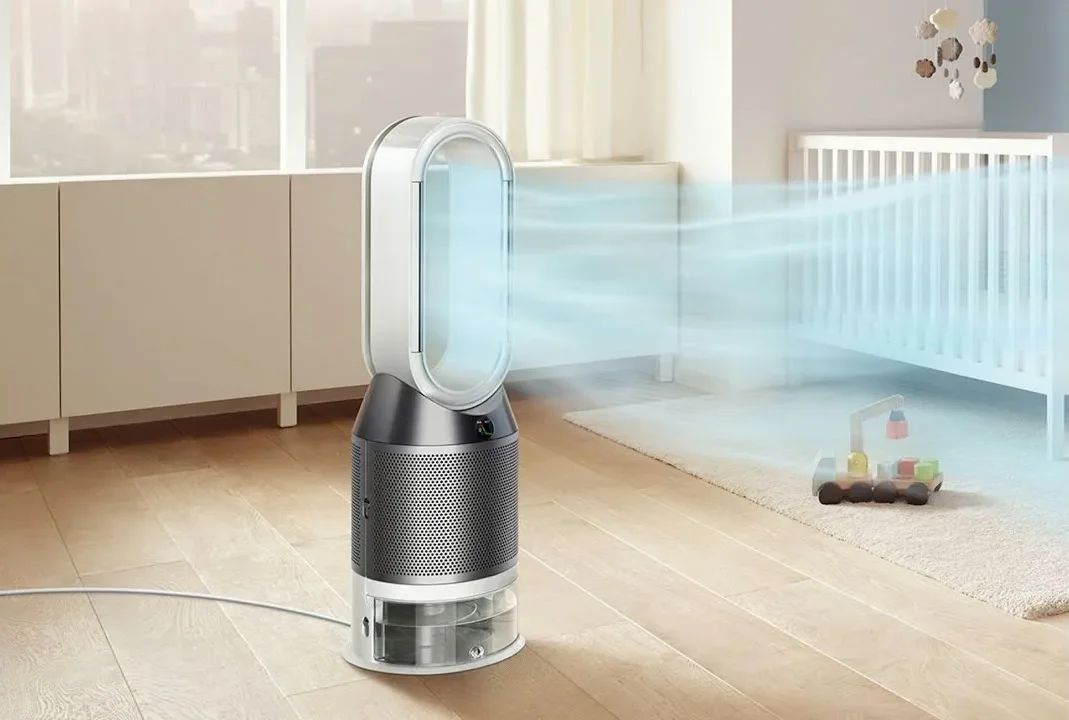
An air purifier removes allergens such as pollen and dust from the air, unlike a fan that only moves the air.
How an air purifier can help with allergies and hay fever
Allergies and hay fever can seriously disrupt daily life, especially when indoor air quality is not optimal. Invisible allergens such as pollen, dust mites, mold spores and pet dander can pollute the air in your home and trigger allergic reactions. Fortunately, an air purifier can provide relief in this regard. These devices help remove unwanted particles from the air, which can improve your breathing and relieve symptoms.
Allergies are often triggered by small particles floating through the air, such as pollen, mold and dust. These allergens can not only cause irritation in the airways but also aggravate inflammation and discomfort in people with chronic conditions such as asthma. An air purifier purifies the air by continuously drawing air through a filter, trapping harmful particles before they recirculate back into the room. Find out more about creating a healthy living environment with air purifiers at JouwKlimaatkast.nl.
-1733219152.webp)
Different filter technologies in air purifiers
Air purifiers work with different types of filters, each contributing to improving air quality:
High-Efficiency Particulate Air (HEPA) filters: These filters capture up to 99.97% of the finest particles (0.3 microns) in the air. This includes allergens such as pollen and dust, as well as mold spores and bacteria. The HEPA filter is therefore essential for people with allergies and hay fever.
Activated carbon filters: These filters remove odors and volatile organic compounds (VOCs) from the air. They are useful for removing chemical fumes, tobacco smoke and other air pollutants that can linger in the home and contribute to allergic reactions.
Formaldehyde filters: Formaldehyde is a harmful chemical often released from new furniture and flooring. For people who are sensitive to these substances or exhibit allergic reactions to chemical odors, special filters such as Dyson's formaldehyde filters can neutralize this gas and promote a healthier living environment.
By combining these filter systems, modern air purifiers can effectively remove a wide range of pollutants and allergens, providing improved indoor air quality.
-1733219254.webp)
Recommended Dyson models for allergy prevention
There are a variety of air purifiers available, but some Dyson models are known for their added effectiveness in removing allergens and pollutants. The Dyson TP07 Purifier Cool Silver/White is an excellent example, with a powerful HEPA H13 filter capable of filtering even the smallest allergens such as pollen and dust particles from the air. This model also provides pleasant airflow, ideal on hot days.
Another interesting option is the Dyson PH01 Pure Humidify Black, which not only purifies the air but also humidifies it. Dry air can aggravate allergy symptoms, and this model helps maintain humidity levels, making for a more comfortable indoor environment.


Summary: A healthier living environment with air purification
Using an air purifier offers people with allergies and hay fever an opportunity to improve indoor air quality and reduce symptoms. By choosing a model with a high-quality HEPA filter, you can effectively address many of the allergens in your home. Whether you have chronic allergies or are sensitive to seasonal pollen, an air purifier can contribute to a healthier, cleaner living environment and a more comfortable life without constant allergy symptoms. Wondering which air purifier is best for you? Check out the range HERE for more information.