The different wine varieties and their storage conditions
Wine types require different temperatures
The different types of wine and their storage conditions
Wine storage requires attention not only to temperature, but also to other factors such as humidity, light, and bottle position. Different types of wine require specific storage conditions to best preserve their unique flavor profile. Here we discuss storage conditions by wine type and provide helpful tips for optimal storage, complemented by some recommended wine refrigerators for both the serious collector and the casual wine lover.
1. Red wine
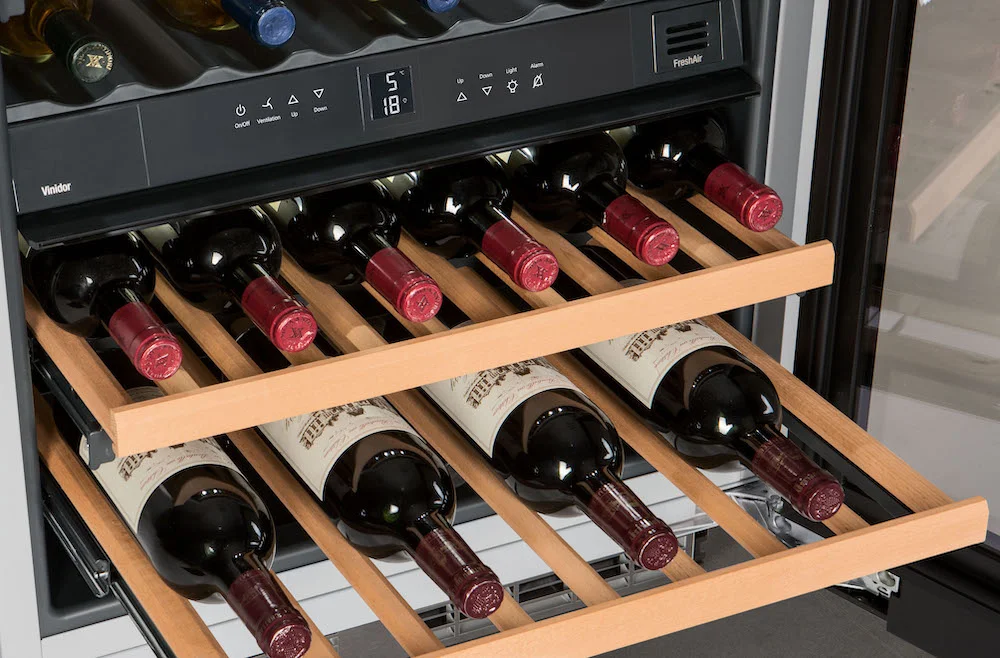
Red wine often requires a slightly higher storage temperature than other types of wine, which helps develop rich, complex flavors. Heavier red wines, such as Cabernet Sauvignon and Merlot, should be stored between 15°C and 18°C, while lighter red wines such as Pinot Noir thrive best at a slightly lower temperature, around 12°C to 14°C. Red wines should preferably be stored horizontally to keep the cork moist and protect the wine from oxidation.
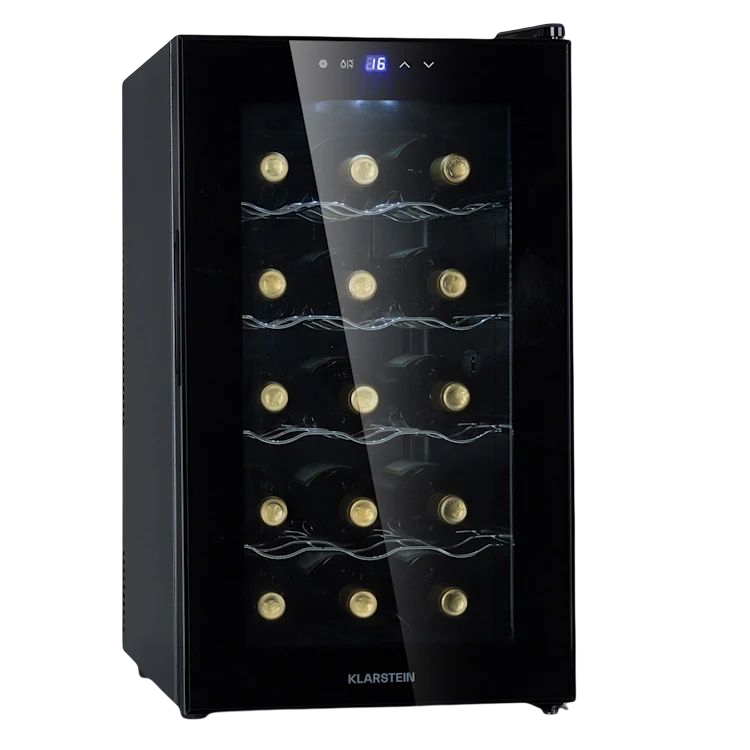
A convenient solution for red wine storage is the Shiraz 24 Uno wine refrigerator. With a temperature range of 5°C to 18°C, this refrigerator is perfect for both light and heavy red wines. This compact refrigerator fits easily into smaller spaces, and the UV-resistant glass door protects the wine from harmful light. As a result, the wine will keep longer and retain its flavor.
2. White wine
White wine, such as Sauvignon Blanc and Chardonnay, needs a cooler temperature, usually between 7°C and 12°C. This ensures that the fresh, fruity aromas are retained. Dry white wines can be kept slightly warmer, while sweet white wines, such as a Riesling, taste better when kept around 7°C. The cooler temperature prevents white wines from losing their freshness and helps minimize unwanted flavor changes.
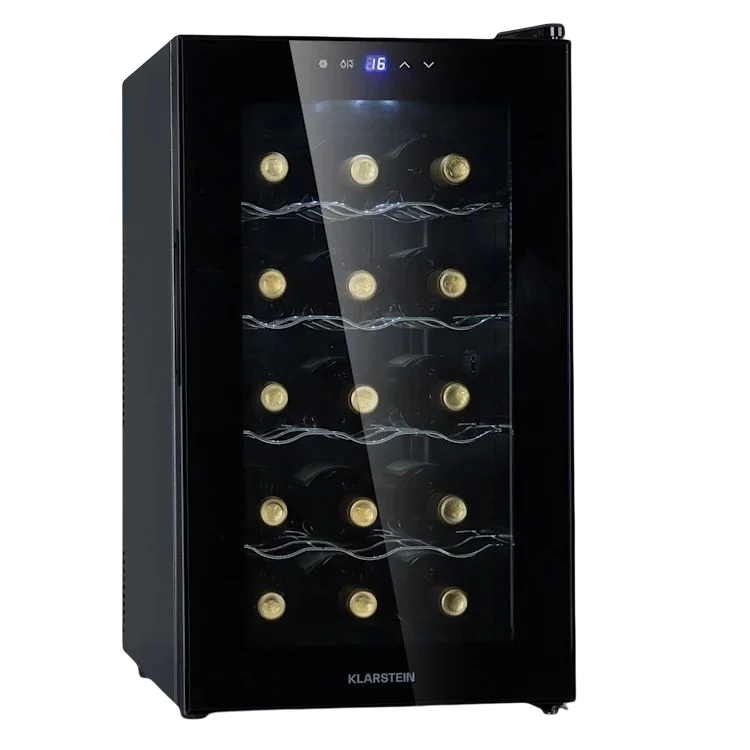
The Barolo 15 Uno wine refrigerator is an excellent choice for both white and red wines. This refrigerator offers a flexible temperature range from 5°C to 20°C, so you can easily set the right temperature. With a 15-bottle capacity and sleek design, this refrigerator fits in almost any space and provides the ideal storage conditions for wine lovers with a diverse collection.
-1733224481.webp)
3. Sparkling wine
Sparkling wines, such as Champagne and Prosecco, require an extra cool storage temperature, ideally between 6°C and 8°C. This temperature helps preserve sparkling wine's effervescent freshness and characteristic bubbles. For short-term storage, it is recommended that sparkling wines be stored upright to prevent the cork from drying out and the wine from losing its pressure.
4. Dessert wine
Dessert wines, such as Sauternes and Port, require slightly higher temperatures than white and sparkling wines. The ideal temperature is between 10°C and 14°C. This warmth allows the rich sweet and complex flavors to reach their full potential. As with red wine, it is important to store dessert wines in a dark environment to ensure quality and flavor.
5. Rosé wine
Rosé wine requires a storage temperature between 8°C and 12°C, which helps maintain its fruity and fresh notes without being overly chilled. Rosé is often suitable for short-term storage, so for wine lovers who drink rosé soon after purchase, a wine refrigerator with variable temperature settings is a great option.
-1733224398.webp)
Optimal Storage Conditions
Wine should always be stored where the temperature is constant and where little to no light and vibration are present. Varying temperature and exposure to light can accelerate the oxidation process, which negatively affects the wine's taste and aroma. In addition, stable humidity helps keep the corks in good condition, which is essential to keep air out and prevent oxidation.
Want to store and protect your wines in the best possible way? Check out our range of wine refrigerators HERE and discover the perfect fridge for your collection.