Why temperature and humidity are crucial for wine storage
Temperature and humidity are important for wine storage
Why temperature and humidity are crucial for wine storage
Wine storage is about more than just putting a bottle in a dark cabinet and hoping for a good preservation process. Wine is a fragile product that is sensitive to environmental factors, and the right storage conditions are crucial to maintaining flavor and quality. Two of the most important factors in wine storage are temperature and humidity. In this article, we discuss why these elements are essential for optimal wine preservation and how specialized wine refrigerators can contribute to it.
The ideal temperature for wine storage
One of wine's greatest enemies is temperature fluctuations. Too high temperatures accelerate the wine's aging process, causing the loss of complex flavors and drastically reducing quality. On the other hand, too cold conditions can cause certain flavors to be suppressed, and in extreme cases the wine may even freeze. For this reason, it is recommended that wine be stored at a stable temperature between 10°C and 15°C. Here are some specific recommendations for different types of wine:
Red wine: It often has the best flavor and structure at temperatures between 12°C and 18°C. Heavier, complex red wines can be stored slightly higher in this range, while lighter red wines can be stored slightly cooler.
White wine: For white wines, the ideal storage temperature is between 7°C and 12°C. This helps to preserve the freshness and delicate flavors of the wine.
Sparkling wine: For sparkling wine, an even lower temperature is desirable, usually between 6°C and 8°C. This allows the wine to retain its freshness and sparkle, which is essential for an optimal taste experience.
An excellent choice for storing different types of wine at their ideal temperature is the Shiraz 24 Uno wine refrigerator. This wine refrigerator offers an adjustable temperature between 5°C and 18°C, which means you can choose the perfect temperature for each type of wine. This is essential to preserve the unique characteristics and taste of each bottle.
-1733232240.webp)
Why humidity is important for wine
In addition to temperature, humidity also plays a major role in the quality of stored wine. Storage humidity should be between 50% and 70% to keep both the bottle and cork in optimal condition. This is important for a number of reasons:
Protecting the cork: Wine bottles sealed with a cork are susceptible to drying out. Too dry an environment can cause the cork to dry out, allowing air to enter the bottle. This leads to oxidation, which can drastically affect the taste and quality of the wine and even spoil it. Keeping the cork moist keeps it sealed and protects the wine.
Preventing mold: Humidity that is too high can cause mold to form on the bottle or cork. Mold can even settle in the cork in severe cases, which not only damages the bottle but can also affect wine quality. Balanced humidity prevents mold growth and protects the bottle from harmful influences.
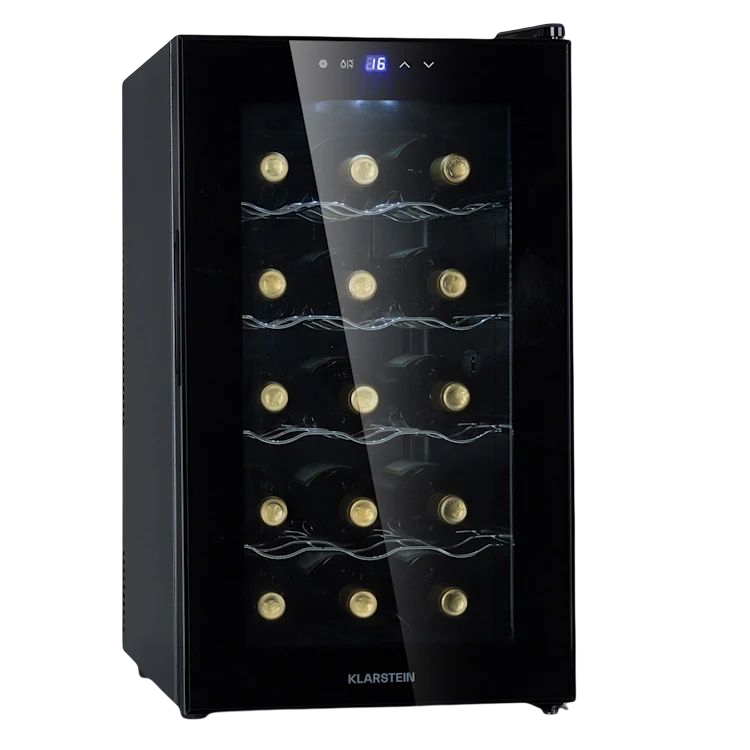
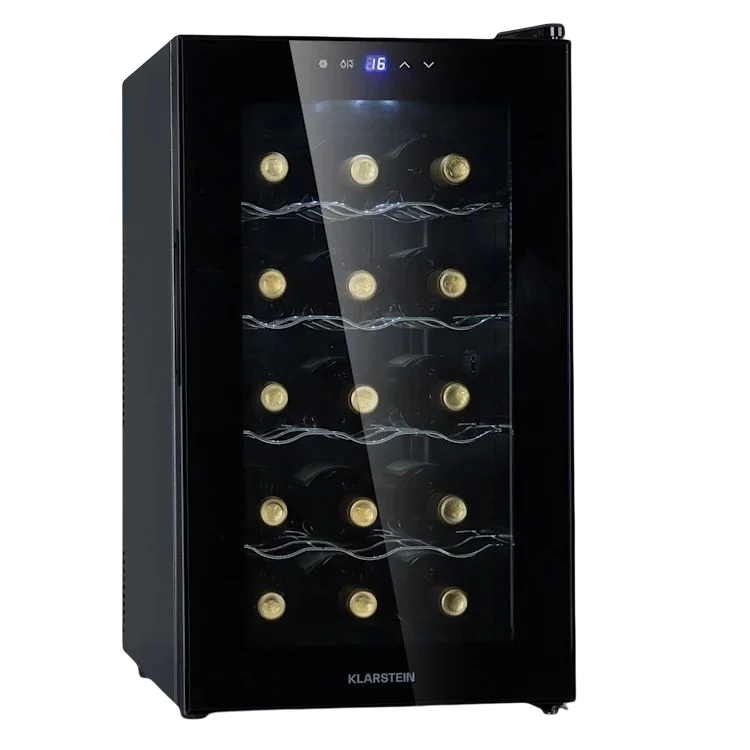
For a wine refrigerator that controls both temperature and humidity, the Barolo 15 Uno wine refrigerator is a reliable option. This wine refrigerator can store up to 15 bottles in a stable environment where both the cork and the wine are optimally protected from dehydration and oxidation. With a controlled storage environment, this model guarantees the perfect maturation and flavor preservation of your wine.
-1733224398.webp)
Dangers of temperature fluctuations and improper humidity
With constant temperature fluctuations, the liquid in the bottle can expand and contract, which increases the pressure on the cork and increases the risk of leakage. A leak can bring oxygen into the bottle, causing oxidation and spoiling the wine. Even the most expensive bottles will lose their quality as a result.
In addition, an environment that is too dry can dry out the cork, causing the same oxidation problem. This problem often occurs when storing in a standard refrigerator, in which the humidity is usually far too low for long-term wine storage. This environment is often too cold and dry, which increases the risk of flavor loss and spoilage.
How do you create the ideal storage conditions for wine?
To ensure that your wine is always stored under the best conditions, there are a few simple but effective steps you can follow:
Invest in a good wine refrigerator: Models such as the Shiraz 24 Uno wine refrigerator are specially designed to keep temperature and humidity stable. This prevents oxidation, cork dehydration and spoilage due to mold.
Do not use standard refrigerators for long-term storage: Although a refrigerator is useful for short-term cooling of wine, it does not offer humidity control and is therefore less suitable for long-term storage. This model offers a good temporary solution, but long-term storage requires a dedicated wine refrigerator.
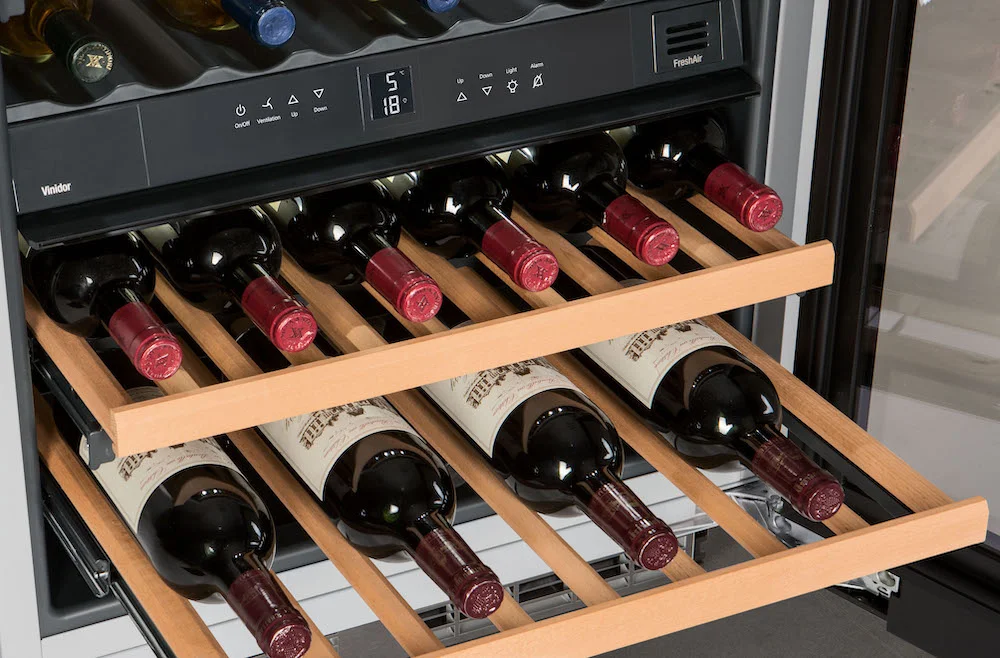
Store wine bottles horizontally: This ensures that the cork stays in contact with the wine, keeping it moist and not drying out. A moist cork prevents air from entering the bottle and protects the wine from oxidation and spoilage.
Conclusion
Temperature and humidity are the most important factors in preserving the taste and quality of your wine. By investing in a wine refrigerator, you can ensure that your wines are always stored in an ideal environment. These models are designed to create the perfect storage conditions, ensuring maximum protection of flavor and quality. Whether it is a delicate white wine or a robust red wine, proper storage contributes to an optimal drinking experience.
Are you looking for the perfect wine storage solution? Click HERE to browse our selection and discover the ideal wine refrigerator for your collection.